James Hardie, once a major manufacturer of building materials, used asbestos in many of its products until the early 2000s. This practice left a lasting impact on Australian buildings and public health.
Let’s explore the risks associated with James Hardie asbestos and the steps for safe removal.
James Hardie used asbestos in various building materials, including:
These products were widely used in Australian homes and buildings, making asbestos a prevalent issue in many structures built before the 1990s.
Exposure to asbestos fibres can lead to serious health conditions, such as:
Risk increases with asbestos fibres inhaled. Symptoms appear 20-30 years after exposure.
Chronic lung disease with symptoms appearing 10-20 years after exposure.
Rare cancer affects the lung or abdomen lining. Symptoms appear 20-50 years after exposure.
These diseases often have a long latency period, meaning symptoms may not appear until decades after exposure. This makes early identification and proper handling of asbestos-containing materials crucial.
Recognising asbestos-containing materials is the first step in managing the risk. Here are some common locations and characteristics to look out for:
Asbestos-containing materials often have a distinct appearance:
It’s important to note that visual identification alone is not reliable. Professional assessment is crucial for accurate identification and safe management of asbestos materials.

Removing asbestos-containing materials is a complex process requiring professional expertise and strict safety protocols.
In Sydney, asbestos removal is heavily regulated to ensure public safety. Key requirements include:
Professional asbestos removal typically involves the following steps:
Hiring licensed professionals is crucial for safe and compliant asbestos removal. They have the training, equipment, and knowledge to handle asbestos materials safely.

After removal, proper disposal of asbestos waste is critical to prevent environmental contamination and protect public health.
| Requirement | Description |
| Double-wrapped in heavy-duty plasticDouble-wrapped in heavy-duty plastic | Asbestos waste must be securely wrapped in two layers of heavy-duty plastic to prevent exposure. |
| Clearly labelled as asbestos waste | Each package must be labelled as containing asbestos waste to ensure proper handling. |
| Transported in covered, leak-proof vehicles | Asbestos waste should be transported in covered and leak-proof vehicles to avoid any spillage. |
| Disposed of at licensed asbestos waste facilities | All asbestos waste must be disposed of at facilities licensed to handle and process asbestos safely. |
Proper disposal prevents asbestos fibers from entering the air or water supply, protecting both human health and the environment.

After asbestos removal, several steps are necessary to ensure the safety and integrity of your property:
Professional air quality testing confirms that no asbestos fibers remain in the air after removal.
You can safely proceed with renovations or rebuilding projects with asbestos materials removed.
For any remaining asbestos-containing materials, develop a management plan to monitor their condition and prevent future exposure.
Dealing with James Hardie asbestos requires careful planning, professional expertise, and strict adherence to safety protocols. By understanding the risks, identifying asbestos-containing materials, and following proper removal and disposal procedures, you can effectively manage the asbestos risk in your property. Remember, safety should always be the top priority regarding asbestos.
For professional asbestos removal and management services in Sydney and surrounding areas, consider contacting licensed experts who can ensure your property is safe and compliant.
James Hardie Industries, commonly known as Hardie’s, is an Australian company that was a major manufacturer of products containing asbestos.
For many years, the company produced asbestos cement and other materials that have resulted in asbestos-related diseases among workers and the Australian public.
The history of James Hardie’s involvement with asbestos dates back to the early 20th century. The company extensively used asbestos in its building materials, leading to numerous asbestos cases and widespread health issues among those exposed to asbestos dust from their products.
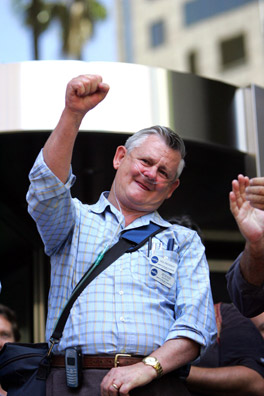
Bernie Banton was an Australian campaigner and an asbestos victim who became a prominent figure advocating for compensation from James Hardie Industries.
He played a vital role in raising awareness about the deadly legacy of asbestos and fought for fair asbestos compensation for victims.
The Medical Research and Compensation Foundation (MRCF) was established by James Hardie in 2001.
It was intended to provide compensation to asbestos victims, but it was later found that the fund was underfunded to cover the vast number of asbestos compensation claims, leading to a significant shortfall.
The compensation fund, sometimes called the Asbestos Injuries Compensation Fund, was established to provide financial compensation to individuals suffering from asbestos-related diseases due to exposure to James Hardie products. The fund faced challenges, including funding shortfalls, to meet its obligations to the victims.
James Hardie’s handling of asbestos liabilities and the related compensation has been heavily criticised. The company faced significant legal and public backlash, resulting in a negative impact on its reputation.
The high-profile lawsuits and the challenges in setting up an adequate compensation fund have left a lasting blemish on James Hardie’s history.
The High Court of Australia had a significant role in the asbestos cases involving James Hardie. The court was involved in various rulings on the company’s liability and the legitimacy of the compensation claims by asbestos victims, helping to shape the legal landscape for future asbestos-related lawsuits.
Wittenoom was a town in Western Australia where blue asbestos was mined. The mining and subsequent use of Wittenoom’s asbestos by companies like James Hardie contributed significantly to the country’s asbestos-related diseases.
The town has since been abandoned due to the deadly health risks posed by asbestos dust.
While significant efforts have been made to compensate asbestos victims, there are ongoing challenges with sufficiently funding the compensation efforts.
Ongoing legal battles and advocacy efforts continue to address the shortfall and ensure victims receive just compensation for their suffering.
Asbestos cases have greatly influenced home renovations in Australia, with many older homes containing asbestos-containing materials.
Renovators must take precautions to prevent asbestos dust exposure, and there are strict regulations and guidelines to safely manage and remove asbestos during renovations.